
Keeping a growing hospitality group connected, supported and ready to scale.
How joined-up IT support, stronger security and proactive planning helped Comptoir Group reduce disruption across more than 30 sites and prepare new locations with confidence.
Technology behind a fast-moving, multi-brand operation.
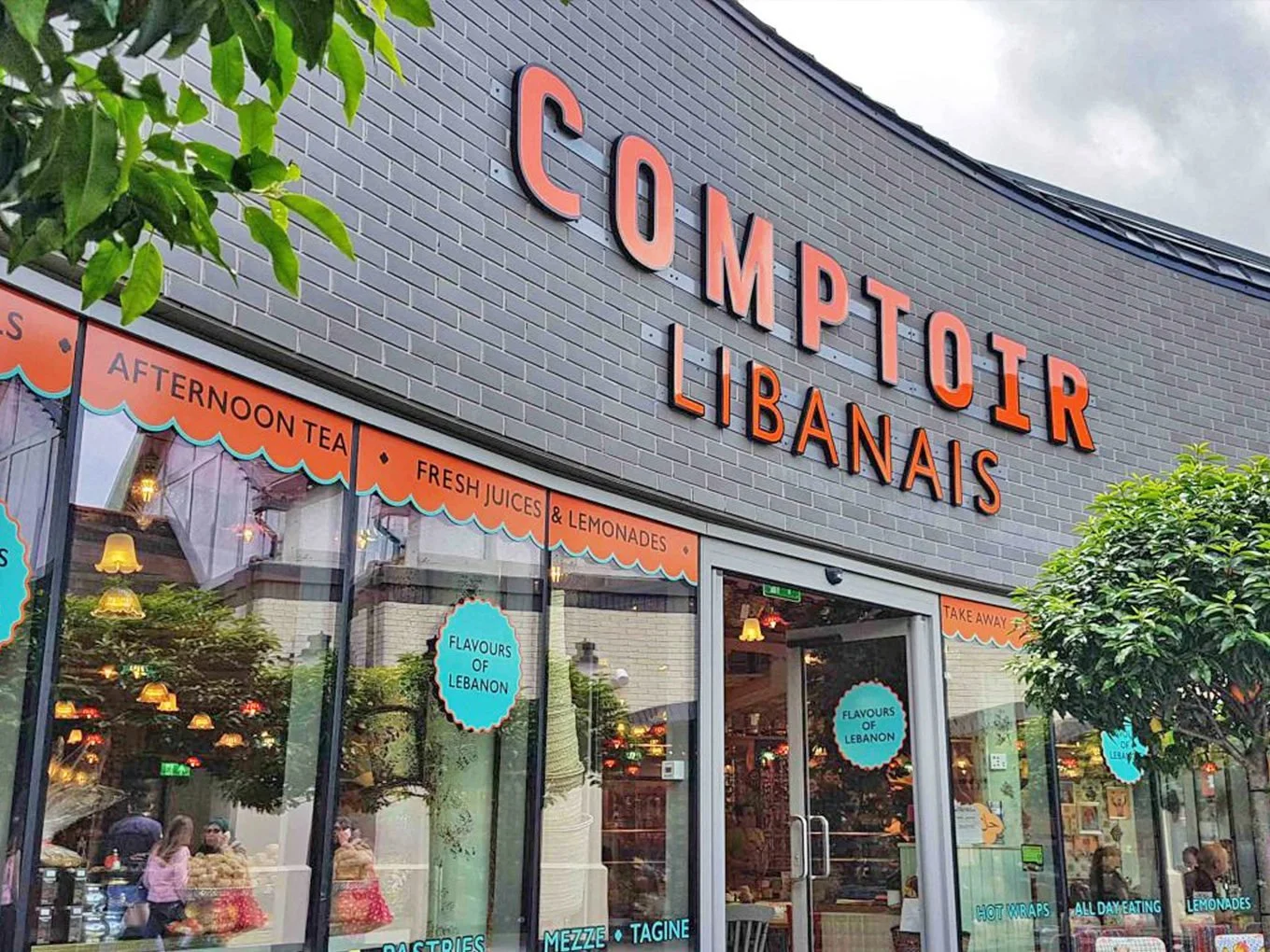
Comptoir Group brings Middle Eastern food and hospitality to the UK high street through Comptoir Libanais, Yalla Yalla and Shawa. Each brand has its own customer experience, but all depend on reliable technology to keep front-of-house service, payments, ordering and back-office operations moving.
Across more than 30 restaurant and retail locations, the operational picture is constantly changing. Sites have different layouts, fluctuating shift patterns and teams that need support during live service. A failed payment terminal, unstable network or unavailable printer is not simply an IT inconvenience. It can immediately affect employees, guests and revenue.
As the portfolio expanded, the Group found that existing systems and processes had become increasingly piecemeal. Its operations team needed central visibility, consistent procurement and a dependable route for site managers to get help, together with infrastructure that could be repeated efficiently whenever a new location opened.
Fifosys helped move the business from reactive firefighting to a joined-up managed service. Day-to-day support now sits alongside cyber security, asset and licensing management, infrastructure improvement and senior-level technology planning.
Small technology failures could have an immediate customer and commercial impact.
Growth increased the pressure on a lean operations team and made consistency across every restaurant more important.
Live-service dependency
POS terminals, payment systems, digital ordering and local networks had to remain available when restaurants were busiest.
A dispersed estate
Site managers across geographically separated locations needed fast support without being trapped in anonymous queues.
Inconsistent assets and licensing
Hardware, subscriptions and user access needed clearer central control to reduce cost and administrative effort.
Growth and new openings
Every new venue required repeatable infrastructure planning, procurement and implementation without delaying launch.
A partner prepared to own the technology behind the guest experience.
The Group was not looking for a supplier that would wait for tickets. It needed a team that understood the pace of hospitality, could respond during service hours and could take responsibility for the wider technology picture.
The relationship started with smaller, targeted improvements. Consistent delivery built trust and allowed Fifosys to take on a broader role, combining practical support with the forward planning needed for new openings and continued expansion.
Hospitality-aware support
The team understood which systems were business-critical and why speed, ownership and clear escalation mattered during live service.
Proof through delivery
Early projects demonstrated responsiveness and quality before the relationship expanded into wider operational support.
Technical and strategic depth
Fifosys could handle everyday issues while also advising senior stakeholders on infrastructure, licensing, security and growth.
Bring every part of the estate into one practical service.
A full audit and roadmap established the immediate priorities and created a repeatable technology model for existing and future locations.
Audit and create the roadmap
Review technology across the business units, resolve immediate pain points and establish a plan linked to operational priorities.
Support teams from first to third line
Provide outsourced support for restaurant and head-office employees, with a direct escalation route for site managers.
Modernise local infrastructure
Replace legacy devices, upgrade networks and prepare centrally configured laptops and tablets for consistent deployment.
Strengthen access and protection
Centralise permissions, improve onboarding and offboarding, and deploy endpoint and email security across the Group.
Consolidate assets and licensing
Track hardware centrally, rationalise Microsoft 365 and other subscriptions, and improve procurement for site rollouts.
Plan each new location
Use regular stakeholder reviews and site-specific planning to make technology part of the opening programme from the outset.
Greater continuity today, with a clearer route to expansion.
Site teams can focus on hospitality while the operations team retains oversight and Fifosys manages the technology behind the scenes.
Less disruption across locations
Proactive monitoring and responsive support reduce the time restaurant teams spend diagnosing technology problems.
Smoother new openings
Repeatable planning, procurement and configuration help new locations begin operating with the right foundations.
Stronger security and control
Consistent access management, device protection and user processes reduce avoidable risk across a changing workforce.
Technology aligned with growth
Fractional CTO input gives leadership a practical view of priorities, cost and infrastructure decisions as the portfolio develops.
“They're not just a vendor. They're part of the team.”

What would a stronger technology foundation change for your organisation?
Start with the challenge, the risk or the pressure on your team. We will help you understand the most practical route forward.