
Clear thinking for better technology decisions.
Practical insight on managed IT, cyber security, AI, Microsoft 365 and the technology decisions facing UK organisations.
What’s changing, and what it means for your business.
Our newest guidance, analysis and practical thinking for business and IT leaders.
Explore the latest thinking.
There are no articles under this topic in the posts currently loaded.
The latest articles could not be loaded. The standard Squarespace blog feed has been restored below.
Turn useful insight into practical next steps.
Explore how Fifosys supports organisations with managed IT, cyber security and the technology decisions that shape what comes next.
What UK Businesses Can Learn From the Revolut Data Breach
Revolut was not breached through its core systems. Criminals used a legitimate government email domain to request sensitive customer data. The incident is a useful warning for every business that relies on email and trusted relationships.
The £30k Software Problem Nobody Owns
Nobody approved £30,000 of wasted software spend. It accumulated one licence, forgotten trial and overlapping tool at a time. Here’s how UK SMEs and mid-market organisations can bring SaaS subscriptions, usage and renewals back under control.

The First-Day Onboarding Test: Is Your Business Ready for Its Next New Starter?
A new starter waiting for a laptop or access isn’t just the sign of an awkward first morning, but rather a sign that HR, managers and IT are not quite joined up. Here’s what good IT onboarding looks like, why it matters, and how growing businesses can make it repeatable.
What Changed In AI This Week? GPT-5.6, ChatGPT Work, Claude Fable 5, Meta’s Model API, And The Agentic AI Cost Question
This week’s AI news was less about flashy demos and more about where AI is becoming operational: inside Microsoft 365, ChatGPT, developer workflows and cloud platforms. OpenAI’s GPT-5.6 and ChatGPT Work, Microsoft’s latest Copilot upgrade, Anthropic’s Claude updates, Meta’s Model API and new agent infrastructure from Google and AWS all point in the same direction: AI is becoming more capable, more connected and more in need of proper business governance.

What Changed in AI This Week: Claude Sonnet 5, Microsoft’s SMB Copilot Push, OpenAI Adoption Data and Google’s Agent Platform Moves
This week’s AI news was less about flashy demos and more about business reality: Claude Sonnet 5 sharpened the cost-performance race, Microsoft pushed Copilot further into SMB workflows, OpenAI showed ChatGPT usage deepening over time, and cautionary stories from Ford and Uber highlighted the need for governance, cost control and human expertise.
What Changed In AI This Week? Claude Design, Copilot Cowork Pricing, And The Bit Businesses Should Actually Care About
A practical weekly AI update for UK SMEs and mid-market organisations, covering Claude Design, Microsoft Copilot Cowork pricing, AI cyber risk and what business leaders should do next.

The CISA GitHub Leak Is a Mess. But It’s Also Very Familiar
A major credential leak linked to the US cybersecurity agency CISA has exposed a problem most businesses are far more vulnerable to than they realise. From forgotten API keys to overprivileged supplier access, exposed credentials have become a normal part of modern IT environments. Here’s what UK SMEs and mid-market organisations should actually be paying attention to.

Shadow AI: The AI Risk Already Inside Most Businesses
Shadow AI is already inside most businesses, whether leadership realises it or not. As employees increasingly use AI tools without formal approval, organisations are facing new risks around data handling, compliance, governance, and visibility. Here’s what UK SMEs and mid-market businesses need to know, and how to respond without falling into the trap of blanket bans or unrealistic policies.
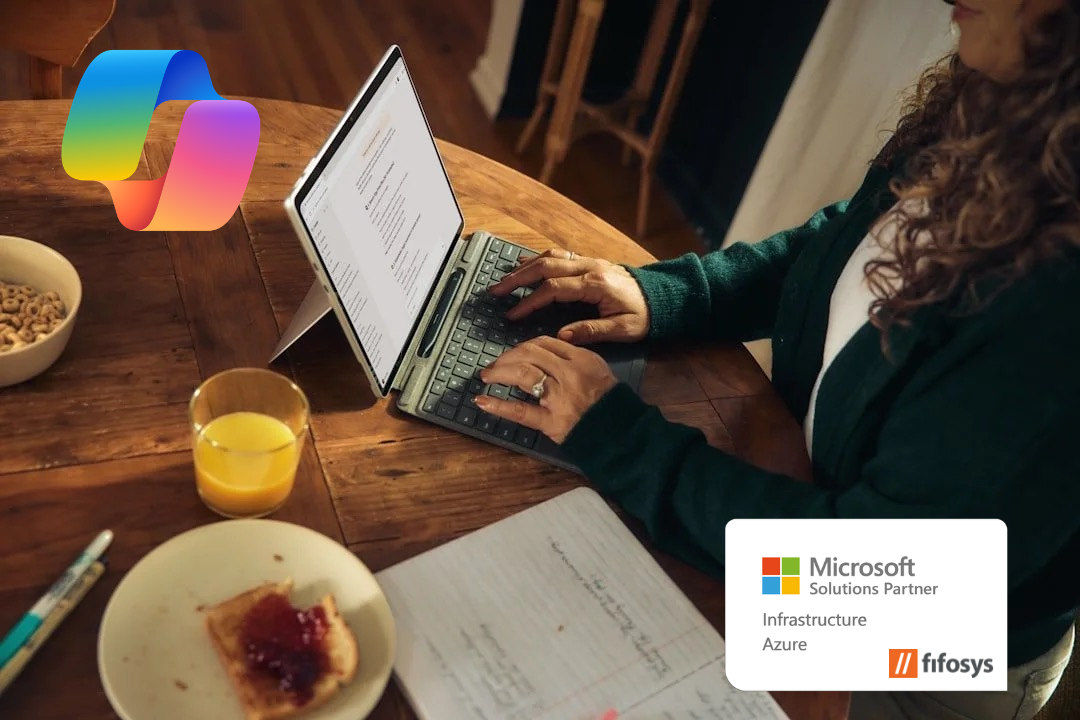
Microsoft Copilot for Business. Practical Benefits for UK SMEs and Mid-Market Teams
Microsoft Copilot is quickly becoming one of the most talked-about workplace AI tools for UK businesses, but what does it actually do in practice? In this blog, we explore how Microsoft Copilot helps SMEs and mid-market organisations improve productivity, reduce admin, streamline collaboration, and get more value from Microsoft 365, without adding unnecessary complexity or compromising security.

Disruption Doesn’t Ask for Notice: What April’s Tube Strikes May Reveal About Your Infrastructure
Disruption doesn’t wait for a convenient moment. And this week’s tube strikes offered a useful reminder of that.
For many organisations, it forced an immediate shift to fully remote working, putting infrastructure, access, and collaboration tools under pressure in a way that planned hybrid setups rarely do. In this blog, we explore what moments like this reveal, and how to sense-check whether your environment is built to cope.

Locking the Door: A Simple Cyber Hygiene Checklist for 2026
Cyber security doesn’t always come down to complex tools or advanced threats. More often, it’s the basics that make the biggest difference.
Following the UK government’s “lock the door” campaign, we’ve pulled together a simple cyber hygiene checklist to help organisations sense-check their current approach, from patching and access control to visibility and response.
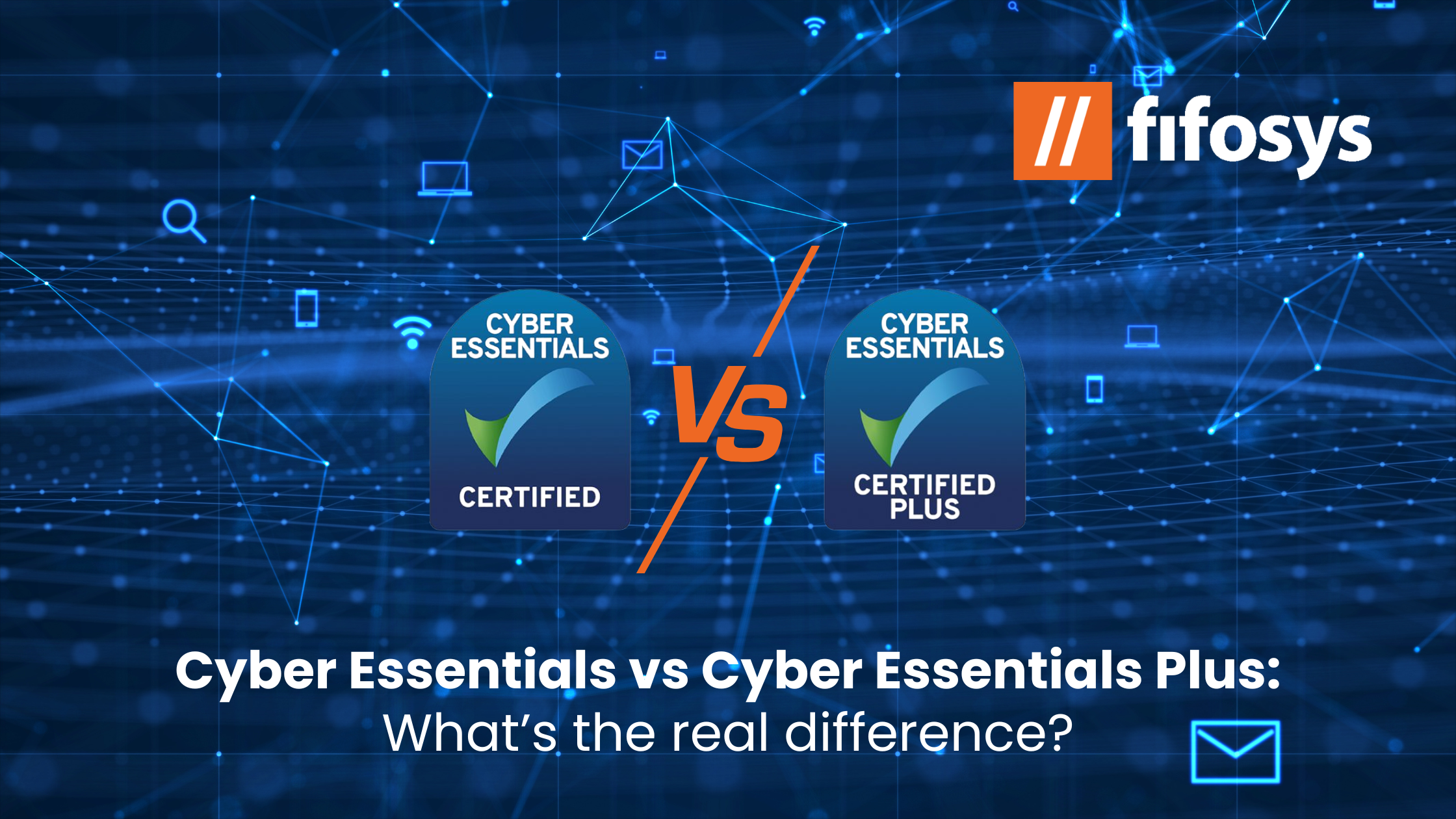
Cyber Essentials vs Cyber Essentials Plus: What’s the Real Difference?
Cyber Essentials has become a baseline requirement for many UK organisations, whether for supply chains or government contracts. But as more businesses look beyond the badge, a key question keeps coming up: is Cyber Essentials enough, or does Cyber Essentials Plus offer something more meaningful?
In this blog, we break down the real difference between self-assessment and independent validation, and why that distinction matters when it comes to understanding your actual security posture.

Eight Years After Cambridge Analytica: Would It Even Matter Today?
Eight years on from the Cambridge Analytica scandal, the questions it raised about data, privacy and control feel less shocking, and more familiar.
At the time, the idea that millions of users’ data could be harvested and used without clear consent felt like a turning point. Today, we operate in a world where data collection underpins much of the technology we use every day.
In this blog, we look back at what actually changed, and why the bigger lesson for organisations in 2026 is not the scandal itself, but how data now moves through modern systems.

What the Companies House Incident Reveals About Cyber Risk
Companies House is one of those systems most people assume simply works. It sits quietly in the background of the UK business environment, holding records for millions of companies and underpinning how organisations verify each other every day.
But recent reports of a vulnerability in the WebFiling system have raised serious questions about how secure that infrastructure really is. Beyond the technical issue itself, the incident highlights something broader: many of the systems businesses rely on sit outside their direct control.
When platforms like this experience problems, the consequences can ripple far beyond the organisation running them.

Your Data, Their Model: What Businesses Need to Understand About AI and Data in 2026
AI is everywhere. In almost every business tool, from productivity software to analytics platforms. But as organisations experiment with these systems, a key question is often overlooked: what happens to your data once it enters an AI model? In this piece, we explore how large language models work, where business data can unintentionally flow, and why governance around AI is becoming increasingly important in 2026.

When Technology Stops the Game: Why Invisible Infrastructure Matters
A six-minute delay in the North London derby was a small disruption with very visible consequences. Tens of thousands waited. Millions watched. All because the technology, which is usually invisible, briefly stopped working. In this piece, we explore what that moment reveals about modern infrastructure and why reliability now underpins experiences far beyond the stadium.

Hybrid Work in 2026: Are Your Systems Still Built for 2021?
Hybrid work is no ‘temporary fix’. It’s the operating model for many UK businesses. But while ways of working have matured, much of the infrastructure behind them sometimes hasn’t. From legacy VPN dependence to collaboration sprawl and uneven identity controls, systems built in urgency are now showing their age. This piece explores whether your architecture is truly ready for sustained hybrid operations in 2026.

AI Readiness in 2026: How Organisations Can Prepare for What Comes Next
AI adoption is accelerating, but readiness is lagging behind. As organisations head into 2026, the real challenge is no longer access to AI tools, but whether the foundations around data, infrastructure, security and governance are in place to use them effectively. This piece explores what AI readiness really looks like, and how businesses can prepare for responsible, long-term adoption.
Cloud, Infrastructure and Digital Transformation in 2026: What Organisations Are Preparing for Now
Cloud adoption is no longer a question of if, but how well it is governed, scaled and sustained. As we move into 2026, organisations are shifting from experimentation to maturity, rethinking cloud strategy, infrastructure investment and digital transformation as core operating decisions. This piece explores what has changed, what is solidifying, and what businesses should be preparing for next.

Fifosys Becomes a CyberSmart Advanced Partner: What That Means for Our Customers
Cyber Essentials and Cyber Essentials Plus remain a critical foundation for managing cyber risk and meeting UK compliance requirements. Fifosys has been promoted to CyberSmart Advanced Partner status, reflecting the scale and quality of how we already support customers through certification and beyond.